

- This event has passed.
Call for Presenters: The Annual International Academic & Arts MoM Conference
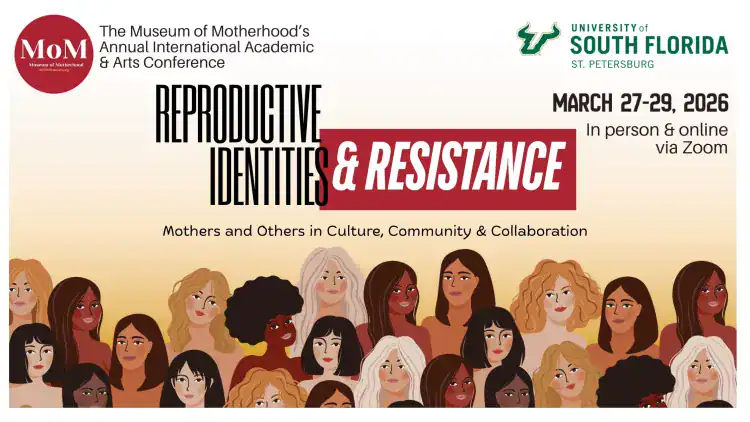
This year’s conference theme is grounded in Aurélie M. Athan’s concept of reproductive identity as a lifelong meaning-making process regarding how individuals orient themselves to reproduction, parenting, and caregiving, and the “if/when/how/who” associated with reproductive decision-making.
As a concept, reproductive identity is fluid and resists pronatalist and patriarchal mandates that dictate narrow expectations about reproductive outcomes and parenting. It centers an individual’s lived experiences and associated meanings about all aspects of reproduction, including being childfree, pregnancy, infertility, abortion, pregnancy loss and grief, adoption, and extended family systems of caregiving. The various and ever-changing meanings associated with reproduction (or reproductive potential) across the lifespan is paramount to understanding reproductive identity as a concept with emotional, spiritual, financial, familial, cultural, and political influences and implications. As a conference theme, we welcome work that shares interdisciplinary, feminist, holistic, developmental, and narrative inquiry with reproductive identity as a concept.
We invite critical reflection and collective inquiry into how maternal, reproductive, and care-centered identities are formed, challenged, and transformed across contexts, relationships, and life stages. We seek work that explores these identities not only as individual journeys, but as deeply social, political, and communal acts.
This international call for papers, performances, panels, workshops, and creative projects welcomes contributions from across disciplines and practices—including scholars, artists, poets, sociologists, maternal psychologists, philosophers, anthropologists, gender and sexuality studies faculty, birth-workers, doulas, midwives, physicians, students, and community members.
We encourage submissions from people of all genders and backgrounds, particularly those centering marginalized parenting and birthing experiences. We especially welcome work that uses innovative, decolonial, or creative research methodologies; amplifies underrepresented or silenced experiences of m/otherhood and birthing; engages in activist or community-based praxis for reproductive and birth justice; reclaims reproductive labor as power, protest, and possibility; and challenges binaries of parent/non-parent, gendered caregiver roles, and “good mother” ideologies.